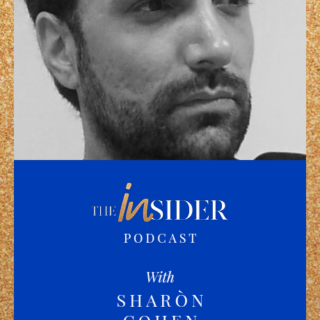
The Insider Podcast: Episode 2 – Sharòn Cohen Moore
🖤 Over the past decade, luxury retail has undergone a significant transformation from being an "impressive container of product" to creating experiential destinations. This shift has been driven by a democratization process, offering more affordable products to a wider audience. Luxury stores now prioritize customer experience and interaction, with see-through windows replacing closed displays to attract even non-buying clients. Sharon Cohen, having joined Prada in 2014 after working with Studio Fuksas, observed these changes firsthand during his eight-year tenure as director of North Europe, where he oversaw a complete refurbishment in the UK, Ireland, Scandinavia, and the Netherlands.
Luxury brands now incorporate hospitality elements, such as cafes and exhibition spaces, to keep clients engaged and extend their in-store experience. With the rise in wealth, top clients are offered exclusive VIP services, including private apartments and flats adjacent to flagship stores. Location strategy is paramount, with brands seeking heritage-rich or strategically safe and stable areas for their stores.
Designing luxury retail spaces now involves a focus on flexibility, allowing for quick changes and events to maintain customer interest. The layout must facilitate both commercial goals and memorable experiences. Semiotics plays a key role in design, ensuring that every element conveys the brand's identity and heritage. Luxury brands are seen as the vanguard of creativity, with Louis Vuitton often leading the way in exploring new markets.
Share